In today’s fast-paced world, finding moments of calm can feel like a luxury. But what if there was an activity that could help reduce stress, improve focus, and even foster a sense of accomplishment—all while creating something beautiful? Enter knitting: a timeless craft that offers more than just cozy scarves and sweaters. Science and countless personal stories reveal that knitting has profound mental health benefits.
About two years ago, I decided to get back into knitting after at least a decade’s long break. I had a few back-to-back projects that I worked on, and when I completed the last one, without another project to work on, I was surprised that I started to feel depressed. I was aimless, not knowing how to spend my free time. Once I got excited about a new project, I was back to my usual self.
Let’s explore why this may have happened, and why picking up your needles could be one of the best things you do for your mental health.
1. Knitting Reduces Stress and Anxiety
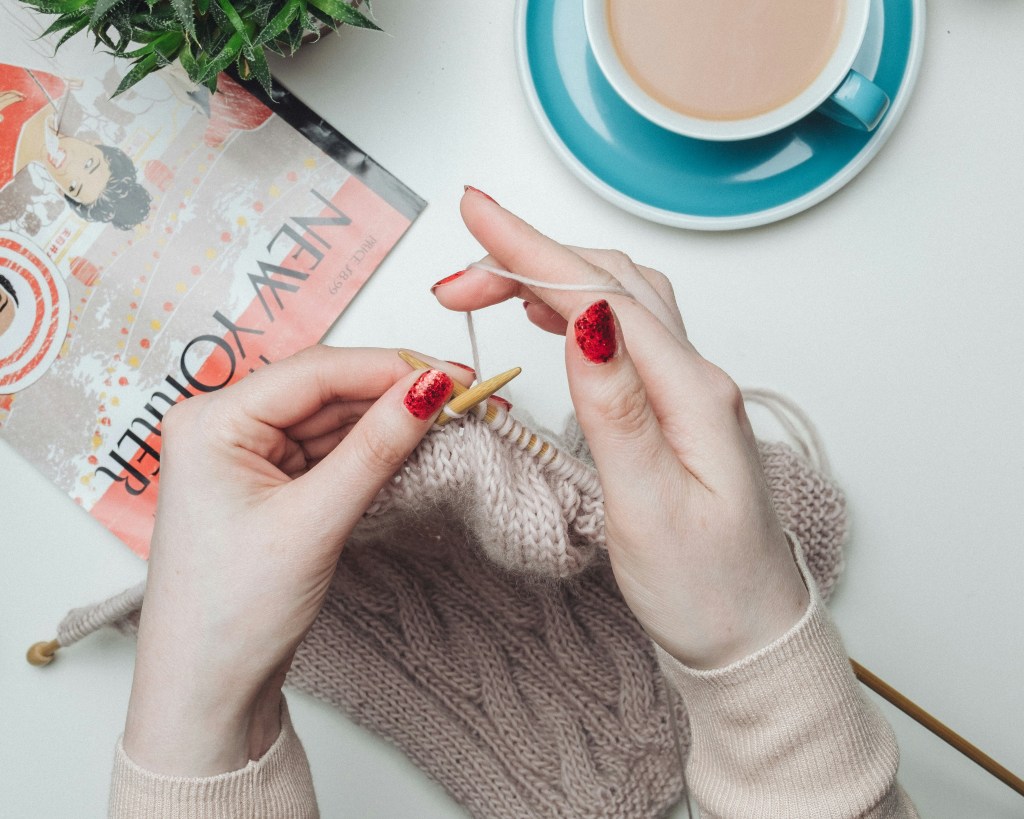
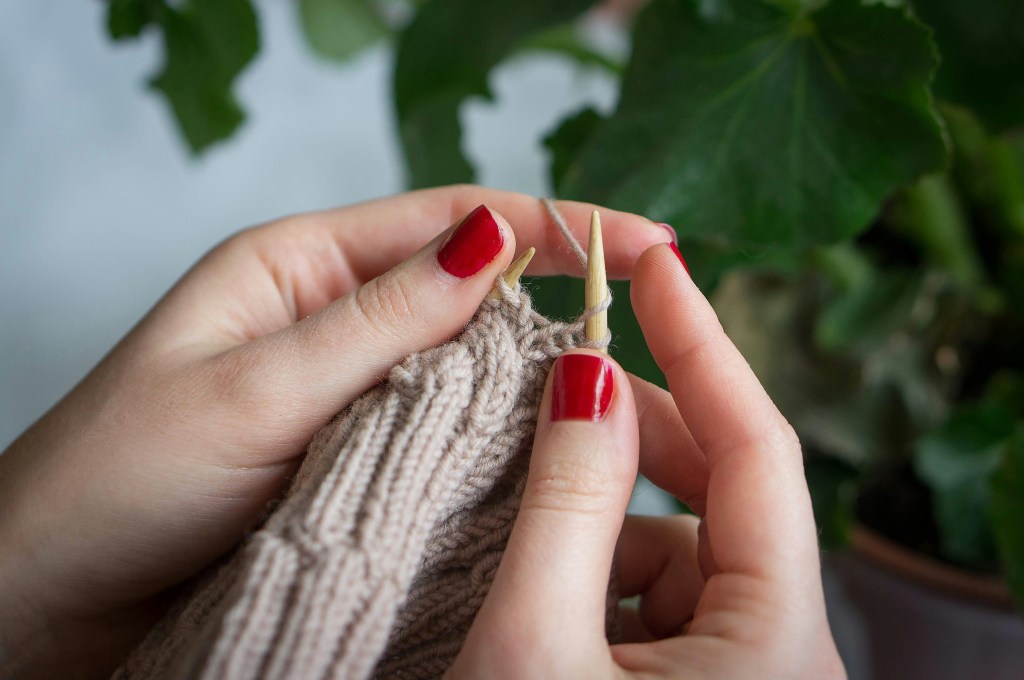
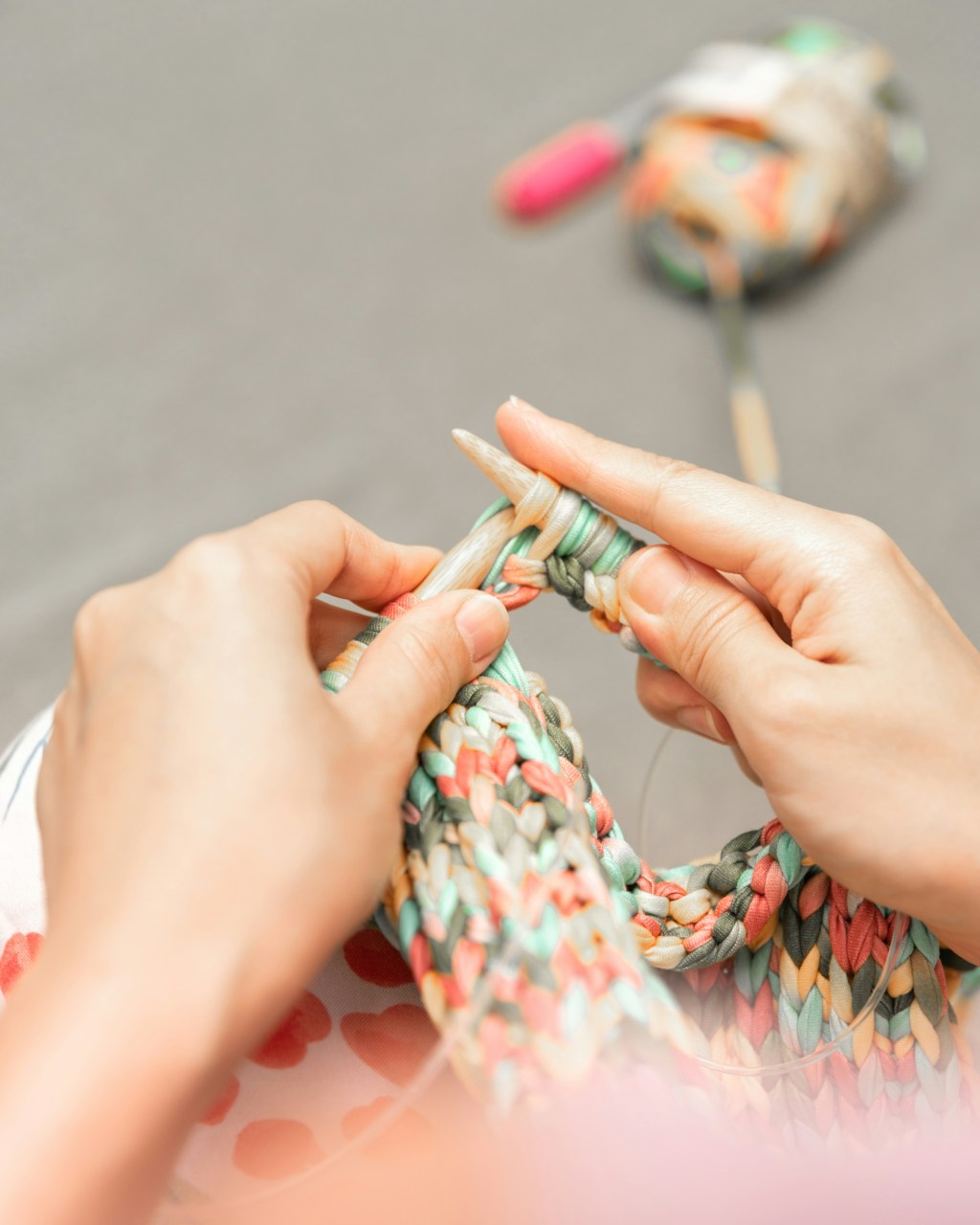
The repetitive motions of knitting—wrapping yarn around needles and pulling stitches through—can have a meditative effect. This rhythm helps calm the mind, much like yoga or deep breathing exercises. Studies show that repetitive activities can lower cortisol levels (your body’s stress hormone), promoting relaxation and reducing anxiety. In fact, many crafts can have the same effect.
How to Start:
- Try knitting a simple pattern like a garter stitch scarf to focus on the process rather than the result.
- Pair knitting with calming music or a cup of tea to amplify the relaxing effect.
2. Knitting Improves Focus and Mindfulness
Knitting requires concentration, whether you’re counting stitches or following a pattern. This focus can help redirect your mind from negative thoughts or worries, grounding you in the present moment. In essence, knitting becomes a form of mindfulness—a practice proven to enhance mental well-being.
Mindfulness Tip:
- Choose patterns that challenge you just enough to keep your attention but aren’t too overwhelming.
- Pause occasionally to notice how the yarn feels in your hands or how the colors blend together.
3. Knitting Fosters a Sense of Accomplishment
Completing a knitting project, no matter how small, gives you a tangible sense of achievement. Whether it’s finishing your first dishcloth or a complex sweater, seeing your progress boosts self-esteem and provides a sense of purpose.
Celebrate Your Wins:
- Document your projects by taking photos and sharing them with friends or on social media. Tracking all of your projects on Ravelry gives you a visual list of all of your yarny accomplishments.
- Place a stitch marker in your work each time you sit down to knit. Seeing how much progress you make each knitting session can give you the serotonin you might be missing.
- Join online or local knitting groups to share your successes and encourage others.
4. Knitting Can Alleviate Depression
For those dealing with depression, knitting can be a lifeline. The craft offers structure and routine, which are often missing during low periods. Additionally, creating something with your hands can stimulate the brain’s reward centers, releasing dopamine—a natural mood booster.
Helpful Ideas:
- Start with small, achievable projects to avoid feeling overwhelmed.
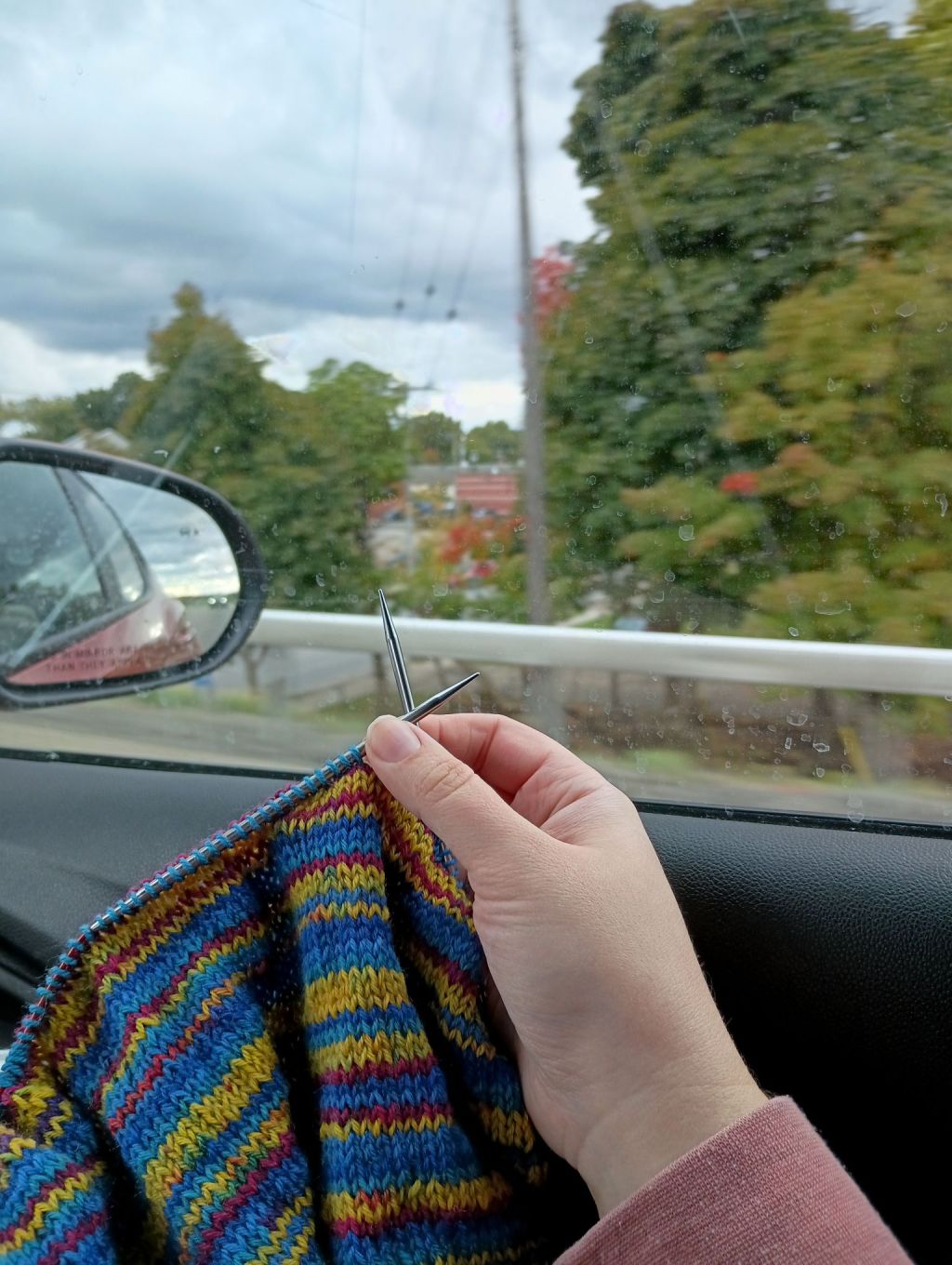
- Use bright, cheerful colors that uplift your mood.
5. Knitting Builds Community and Connection
While knitting is often a solitary activity, it can also be a social one. Joining a knitting group or participating in online forums connects you with others who share your passion. These connections combat loneliness and provide a sense of belonging, both of which are crucial for mental health.
Where to Find Community:
- Check out local knitting groups at libraries, cafes, or craft stores.
- Join online communities like Ravelry, Reddit’s r/knitting, or Facebook groups dedicated to knitting.
6. Knitting Promotes Brain Health
Knitting isn’t just good for your emotions—it’s also great for your brain. The combination of fine motor skills, problem-solving, and memory use keeps your brain active and healthy. Research even suggests that hobbies like knitting may reduce the risk of cognitive decline in older adults.
Brain Boosting Tips:
- Try learning a new technique with each new project, such as cables or colorwork, to challenge your mind.
- Explore complex patterns that require careful planning and execution.
7. Knitting Creates Space for Self-Care
Knitting carves out time for you to slow down and do something just for yourself. This act of self-care reminds you that your well-being is worth prioritizing.
Make It a Ritual:
- Set aside 10–15 minutes a day for knitting, even if it’s just a few rows.
- Create a cozy knitting corner with good lighting, a comfy chair, and all your supplies within reach.
Final Thoughts
Knitting is more than a craft—it’s a powerful tool for mental well-being. Whether you’re looking to reduce stress, find focus, or connect with others, the simple act of knitting can bring peace and purpose to your life.
So, pick up your needles, grab some yarn, and let knitting work its magic. Your mind will thank you.
Do you use knitting as a way to support your mental health? If you’re comfortable, share your experiences in the comments below!


 Langford Knits
Leave a comment