Knitting and crafting can often be associated with warmth, creativity, and inclusivity. These activities can bring people together, offering a sense of community and shared passion. But what is the reality? Like any hobby or industry, the knitting world isn’t immune to elitism.
It can manifest in many ways – whether it’s the types of materials used, the complexity of the techniques used, or the way newcomers are (or aren’t) welcomed into the community. Let’s explore the ways elitism shows up in the knitting and crafting world, why it’s harmful, and how we can work toward a more inclusive and supportive environment.
1. The “Right” Materials Debate
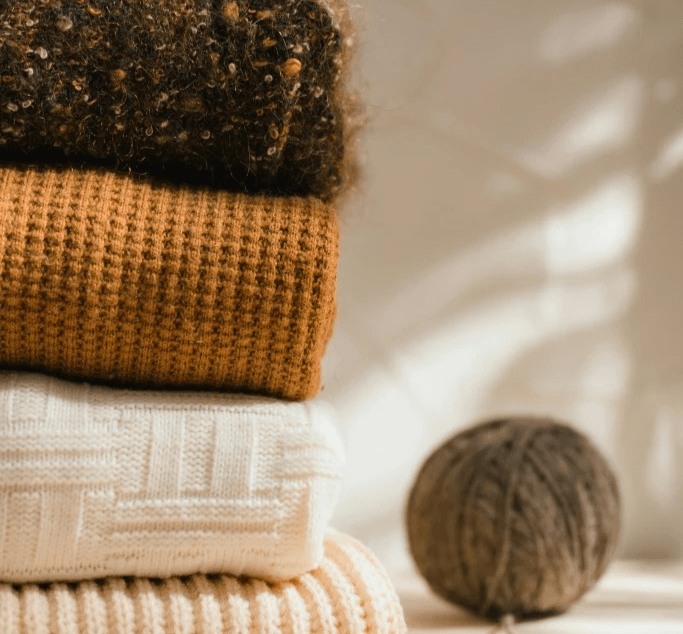
One of the most visible forms of elitism is in the preference for high-end materials. Whether that’s the types of yarn used (cashmere blends or ethically sourced alpaca) or the way they were dyed (hand dyed). While I celebrate natural materials and handmade products as well as the people who make them, crafters may unintentionally look down on those who use more affordable acrylics or big-box store yarns.
Why It’s Harmful:
- Not everyone can afford high-end yarn, and cost shouldn’t be a barrier to enjoying knitting.
- Many budget-friendly yarns are just as durable (and sometimes more durable and color-fast), beautiful, and functional as luxury options.
- The message that only expensive yarn is “good enough” can discourage beginners.
What We Can Do:
- Celebrate all yarn choices and recognize that accessibility is important.
- Educate, not shame—if someone wants to explore higher-end yarns, they should feel welcome to, but never pressured about.
- Remember that creativity and happiness matter more than price tags.
2. Complexity Snobbery
Another form of elitism is the belief that only intricate and time-consuming projects are “real” knitting. Some experienced knitters look down on beginners who stick to scarves, simple hats, or dishcloths, as if these projects are not as “valuable” as lace shawls or Fair Isle sweaters.
Why It’s Harmful:
- Every knitter starts somewhere, and discouraging simple projects can make beginners feel unwelcome.
- Not everyone has the time or desire to knit complex pieces. Crafting should be about joy, not competition.
- Functional and simple items are just as valid and beautiful as intricate ones.
What We Can Do:
- Encourage knitters at all skill levels and celebrate every project, no matter how simple.
- Create a culture of learning instead of judgment—everyone’s knitting journey is different and everyone is at a different point in that journey.
- Acknowledge that even experienced knitters enjoy simple projects for relaxation and mindfulness.
3. The Gatekeeping Mentality
Some knitters and crafters adopt a mindset of exclusivity, believing that knitting is a “serious” craft that must be done a certain way. This can include:
- Looking down on machine knitting or crochet.
- Insisting that knitting must be done the “traditional” way, rejecting modern techniques or shortcuts.
- Looking down on those who create “modern” patterns that, in their opinion, will go out of style.
Why It’s Harmful:
- Gatekeeping discourages people from trying new things and exploring their creativity.
- Crafting has evolved over centuries—there is no single “right way” to knit.
- Every person’s knitting journey is unique, and all forms of crafting deserve respect.
What We Can Do:
- Embrace innovation and different approaches to knitting.
- Support all fiber artists, whether they hand-knit, machine-knit, or crochet.
- Recognize that learning is lifelong, and no one is “above” anyone else in the crafting world.
- Understand that people knit for all different reasons, including enjoyment, mental health reasons, and as an escape from their circumstances, just to name a few.
4. Exclusion in the Online and Social Media Space
Social media is a great way to connect with knitters worldwide, but it has also highlighted divisions. Sometimes online spaces can feel unwelcoming due to:
- Cliquish behavior: Certain knitting circles or influencers only engaging with an “in-group.”
- Judgmental comments: Dismissing certain brands, styles, or skill levels as “lesser.”
- Unrealistic standards: Making it seem like only picture-perfect projects are worth sharing.
Why It’s Harmful:
- It discourages newer knitters from participating in online communities.
- It reinforces the idea that crafting must be “Instagram-worthy” to be valuable.
- It creates unnecessary pressure rather than celebrating progress and creativity.
What We Can Do:
- Encourage and uplift knitters of all skill levels by engaging with their work.
- Promote diversity in crafting styles, body representation, and cultural influences.
- Focus on sharing the process of knitting, not just the polished final product.
Final Thoughts: Knitting Should Be for Everyone
At its heart, knitting is about joy, creativity, and community. Elitism has no place in a craft that thrives on these elements. Whether someone is knitting on a budget, making simple scarves, or isn’t friends with the “right” people, they are just as much a part of the knitting world as anyone else.
Let’s work together to make the knitting and crafting community a place where everyone feels welcome, no matter their background, budget, or skill level.
Bonus Note
I decided to write this article after some recent experiences in certain knitting and crafting spaces that left me feeling uneasy. At first, I couldn’t quite pinpoint why—these communities seemed like they should be a perfect fit. But over time, I realized my instincts were signaling that something wasn’t right. If you ever feel uncomfortable in a crafting space you’re considering joining, trust that feeling. There’s a reason for it, and you deserve to be part of a group where you feel at ease and can truly be yourself.
I have another article coming out soon on how to create a community yourself through your knitting hobby.


 Langford Knits
Leave a comment