Knitting may seem like a simple hobby, but its history is rich and deeply woven into cultures worldwide. From royalty to revolutionaries, many figures throughout history have picked up needles and yarn, leaving a lasting impact on society. In this post, we’ll explore some of the most famous knitters in history and how knitting has shaped different cultures.
1. Queen Victoria: The Royal Knitter
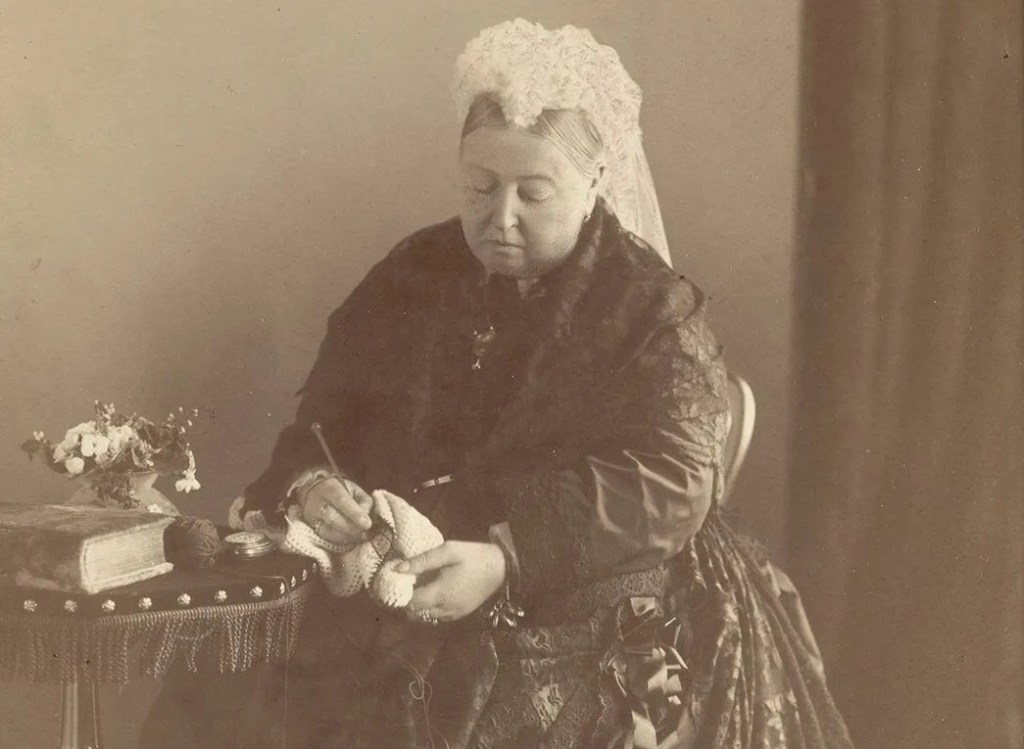
Queen Victoria of England (1819–1901) was a well-known knitting enthusiast. She not only knitted for pleasure but also used her skills for charitable purposes. During the Crimean War, she knitted woolen items for soldiers, bringing attention to the importance of handmade garments in wartime efforts. Her love for knitting helped elevate the craft’s status among women in high society. Click here to read more.
2. The Knitting Spies of World War II
During World War II, knitting became more than just a pastime—it was a tool of espionage! In occupied countries, some women used their knitting skills to pass coded messages to resistance groups. By strategically dropping stitches or creating patterns that contained secret messages, these “knitting spies” helped undermine enemy forces. The British government even encouraged citizens to knit for the war effort, providing soldiers with much-needed warm clothing. Click here to learn more.
3. The Aran Islanders: Masters of Cable Knitting
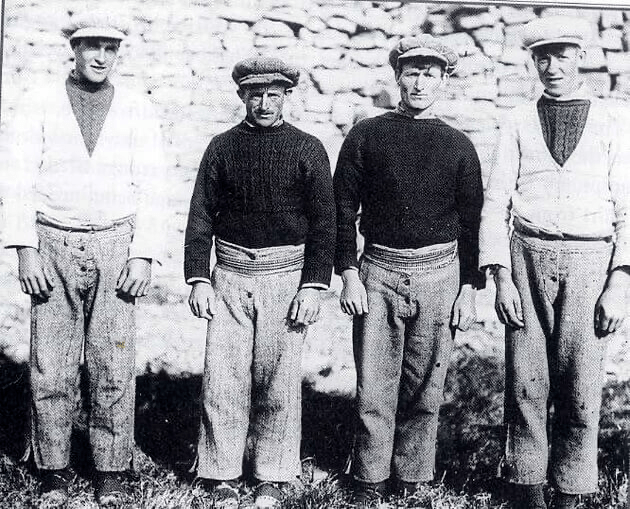
The intricate cable patterns of Aran sweaters are deeply rooted in Irish culture. These sweaters, originally made by fishermen’s families on the Aran Islands, feature distinct stitch patterns, each with symbolic meaning. Some believe these patterns were used to identify lost sailors, making each family’s knitwear unique. Today, Aran knitting remains a proud Irish tradition and is admired worldwide.
4. Elizabeth Zimmermann: The Woman Who Transformed Modern Knitting
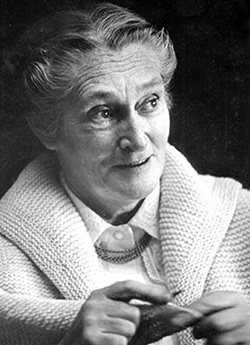
Elizabeth Zimmermann (1910–1999) is one of the most influential knitters of the 20th century. She revolutionized knitting by introducing the concept of knitting in the round and empowering knitters to experiment beyond traditional patterns. Through her books and TV series, she encouraged knitters to think creatively, helping to shape the modern knitting movement. Click here to see some of her patterns.
5. Knitting in Indigenous Cultures
Knitting traditions exist in Indigenous cultures worldwide, from the intricate Chilkat weaving of the Tlingit people to the vibrant Andean textiles of Peru. Many Indigenous communities have used handcrafts like knitting, weaving, and spinning for centuries, passing down techniques through generations. These skills are still alive today, with artisans creating beautiful, hand-dyed and hand-knit textiles that celebrate cultural heritage.
Final Thoughts: The Legacy of Knitting
From royal palaces to war zones, knitting has played a role in shaping history. It has provided warmth, self-expression, and even resistance in times of need. Whether you’re following in the footsteps of Queen Victoria or experimenting like Elizabeth Zimmermann, you’re part of a long and meaningful tradition.
Who is your favorite historical knitter? Let’s chat in the comments!


 Langford Knits
Leave a comment