High-stress careers demand focus, endurance, and emotional regulation. Whether you’re an athlete, healthcare worker, educator, executive, or creative professional, constant pressure takes a toll. That’s why more people in demanding fields are turning to knitting—not as an escape, but as a tool.
Knitting offers a rare combination of mental calm and physical engagement that’s uniquely suited to high-pressure lives.
1. Knitting Regulates the Nervous System
Stress keeps the body in a fight-or-flight state. Knitting does the opposite.
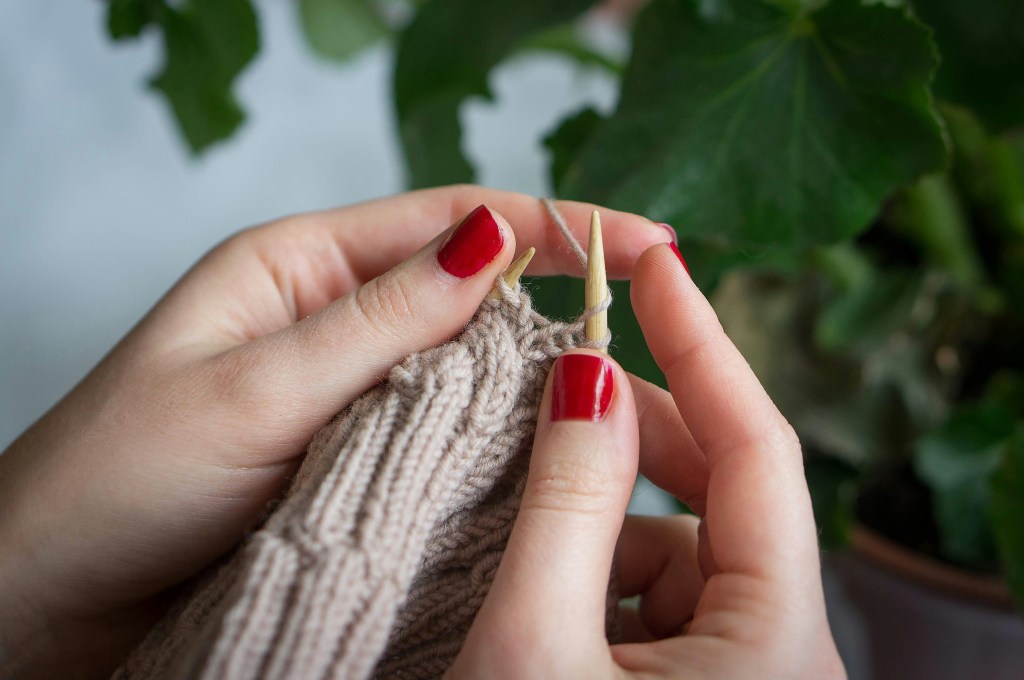
The repetitive, rhythmic motions of knitting stimulate the parasympathetic nervous system—the part responsible for rest and recovery. This helps:
- Lower heart rate
- Reduce cortisol levels
- Calm racing thoughts
Unlike meditation, knitting gives your hands something to do, which makes it easier for stressed, busy minds to settle.
2. Productive Movement Beats Forced Stillness
Many high-stress professionals struggle with “doing nothing.” Knitting allows you to:
- Stay physically engaged
- Avoid mental spirals
- Feel productive without pressure
This is especially appealing for people who are used to constant motion—athletes, nurses, parents, emergency responders, and leaders.
Knitting isn’t passive relaxation. It’s active calm.
3. Repetition Builds Mental Resilience
High-pressure work environments often involve unpredictable outcomes. Knitting offers a welcome contrast:
- Clear rules
- Measurable progress
- Predictable results
Each completed row reinforces a sense of control and accomplishment. Over time, this strengthens resilience—the ability to stay steady even when outcomes are uncertain.
4. Focus Without Overload
Knitting occupies just enough mental space to quiet intrusive thoughts without demanding intense concentration.
This “soft focus” state:
- Reduces rumination
- Encourages flow
- Helps prevent burnout
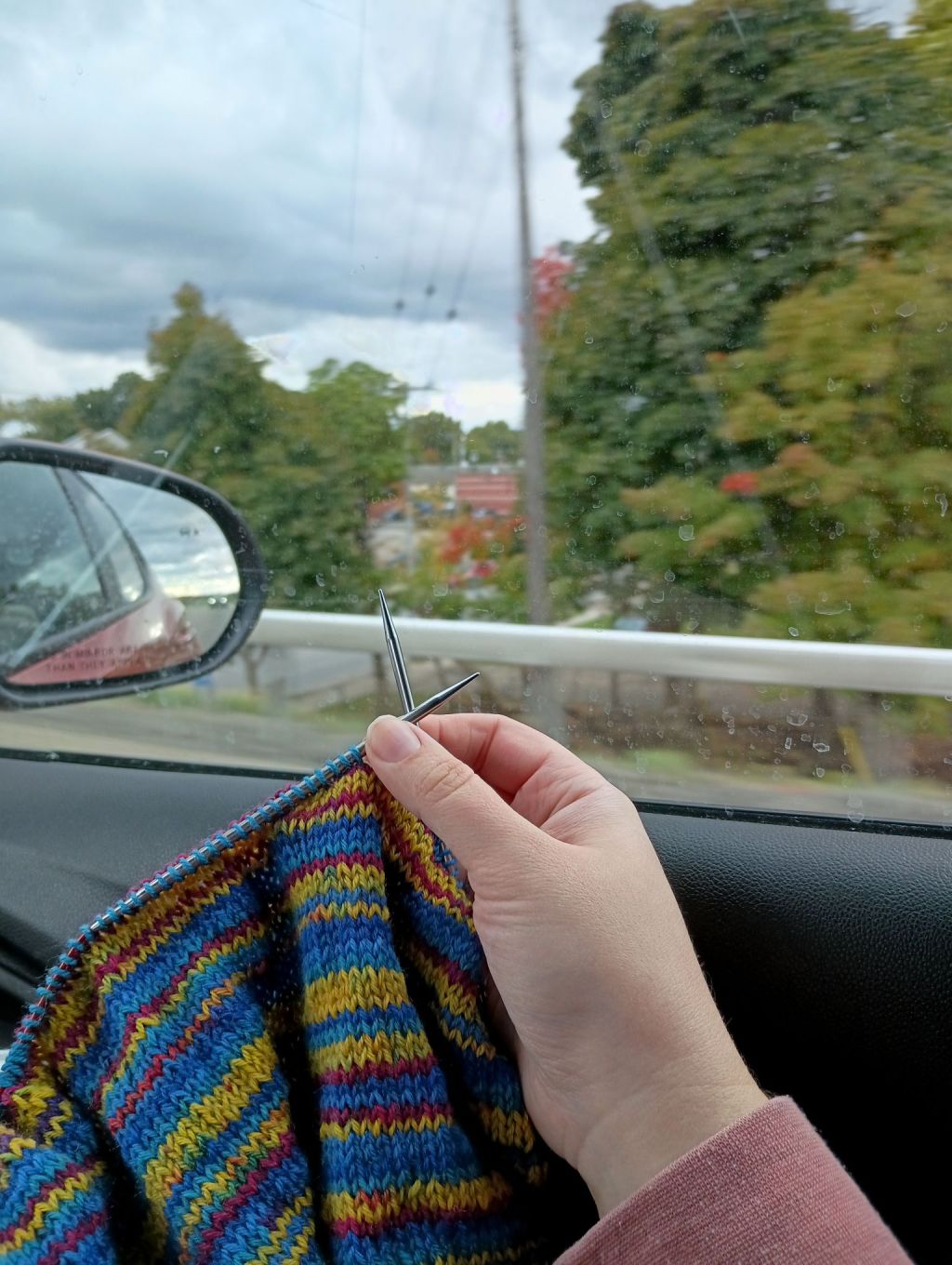
It’s why knitting works so well during travel, waiting periods, and decompression time after stressful shifts or performances.
5. Knitting Creates Safe Social Connection
Many high-stress jobs can feel isolating. Knitting opens the door to low-pressure social interaction:
- Knit nights
- Online communities
- Quiet companionship
There’s no expectation to perform, explain, or solve problems. You can simply exist alongside others while creating something tangible.
6. Knitting Restores Identity Beyond Work
In high-stress careers, identity often becomes tied to performance. Knitting helps reclaim a sense of self outside of achievement metrics.
You are not your job title.
You are a person who makes things.
That shift is powerful—and protective.
7. Knitting Encourages Healthy Pacing
Knitting teaches patience. You can’t rush stitches without consequences. For people used to urgency and deadlines, this slow pacing becomes a quiet lesson in sustainability.
Progress happens one stitch at a time—and that’s enough.
Why We See Knitting Among Olympians & Other High Performers
Olympians, surgeons, pilots, teachers, and executives share similar stress patterns:
- High stakes
- Long hours
- Performance pressure
- Limited downtime
Knitting fits into the small spaces between demands. It travels easily. It adapts to unpredictable schedules. And it offers grounding when control feels out of reach.
Final Thoughts
Knitting isn’t just relaxing—it’s restorative. For people in high-stress careers, it offers regulation, focus, creativity, and community without adding another obligation.
It doesn’t ask you to be better, faster, or more efficient.
It simply asks you to keep going, one stitch at a time.
And sometimes, that’s exactly what we need.


 Langford Knits
Leave a comment